Large Tree Pruning Essentials: How to Protect Your Property and Enhance Tree Health
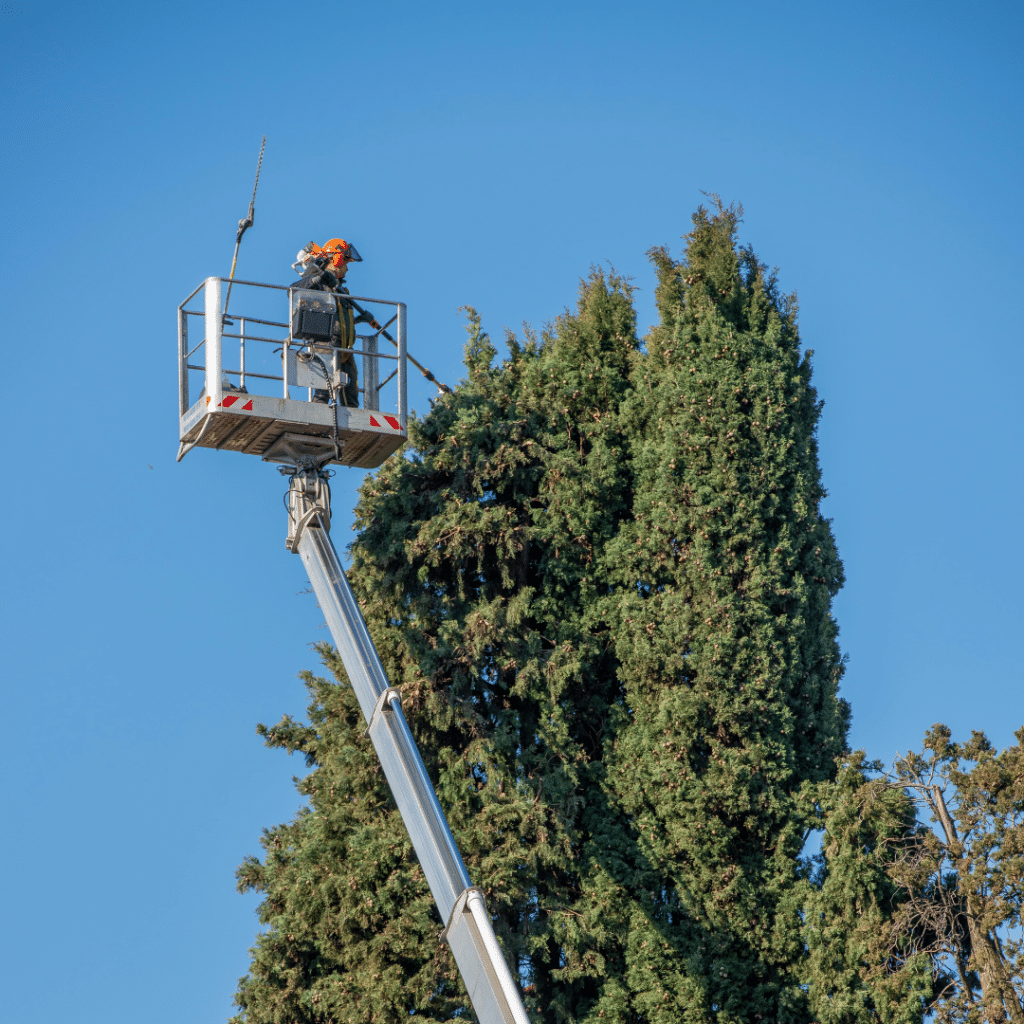
Large trees are a beautiful and valuable part of any landscape in Waynesville, NC. They provide shade, boost curb appeal, improve air quality, and offer a sense of maturity to your property. But without proper pruning, large trees can develop structural issues, become hazardous during storms, and become more vulnerable to tree diseases.
This guide breaks down the essentials of pruning large trees safely and effectively—helping you protect your property, improve long-term tree health, and know when to call a professional.
Why Pruning Large Trees Matters
Pruning isn’t just cosmetic—it directly affects your tree’s health, safety, and lifespan.
Benefits of pruning older or large trees include:
Disease prevention: Removes dead or diseased limbs before they spread tree diseases.
Improved safety: Reduces the risk of falling limbs during storms.
Better air and sunlight flow: Helps interior branches receive light and stay healthy.
Enhanced appearance: Shapes the tree for balance and beauty.
Protection for your property: Prevents branches from damaging roofs, cars, or powerlines.
Proper pruning strengthens trees and helps them remain healthy for decades.
Essential Pruning Techniques for Large Trees
Different pruning methods serve different purposes. Understanding these techniques helps ensure the right cut is made at the right time.
1. Crown Thinning
Removes select branches from the canopy.
Improves airflow and reduces the risk of fungal tree diseases.
Allows more sunlight to reach lower branches and plants below.
2. Crown Raising
Removes lower limbs to create clearance for walkways, driveways, or structures.
Helps trees develop a more balanced and elevated canopy.
3. Crown Reduction
Reduces overall tree height or spread.
Prevents breakage from high winds or heavy snow.
Helps older trees maintain structure without removing too much foliage.
4. Deadwood Removal
Targets dead, dying, or decaying limbs.
Prevents disease spread and unexpected limb fall.
Essential for safety around homes, vehicles, and play areas.
When to Prune Large Trees in Waynesville, NC
Pruning large trees at the correct time helps promote healing and reduces the risk of infections and tree diseases.
Best pruning times:
Late winter / early spring: Ideal for most species; trees are dormant and less prone to disease.
Late spring / early summer: Good for light shaping or after flowering trees bloom.
Times to avoid:
Fall: Cool, moist weather increases the risk of fungal diseases; cuts heal slowly.
Correct timing reduces stress and promotes strong new growth.
Need help with tree pruning? Request a quote from Howell Tree Removal today.
Tools and Equipment Needed for Safe Pruning
Pruning large trees requires specialized tools to keep you and your trees safe.
Essential tools include:
Pruning saws for thick branches
Pole pruners for high branches without a ladder
Hand pruners & loppers for smaller limbs
Chainsaws for large limbs (only for trained users)
Safety gear: gloves, strong boots, helmet, eye protection
Improper tools can cause jagged cuts that increase vulnerability to tree diseases.
Safe Pruning Steps for Large Trees
Large tree pruning is not a quick DIY task. Follow these steps for best results:
1. Assess the Tree
Look for:
Dead limbs
Signs of disease
Broken or split branches
Hazard limbs near buildings or powerlines
2. Plan Your Cuts
Prioritize branches that are:
Dead
Crossing
Weak or split
Too close to structures
3. Work From the Bottom Up
Maintain structure by shaping gradually instead of removing too much at once.
4. Use the Three-Cut Method for Large Limbs
Prevents bark tearing and trunk damage:
Undercut
Top cut slightly outward
Final cut near the branch collar
5. Clean Your Tools
Disinfect tools to prevent spreading tree diseases between trees.
Common Pruning Mistakes to Avoid
Avoid these common issues that can weaken trees:
Over-pruning: Removing too much foliage stresses the tree.
Topping: Creates weak regrowth and increases disease vulnerability.
Leaving stubs: Poor cuts lead to decay and infection.
Using dull tools: Causes ragged wounds that heal slowly.
Pruning during disease-active seasons: Increases chances of fungal infection.
Avoiding these mistakes helps trees stay strong and disease-resistant.
Aftercare Tips to Keep Trees Healthy
Pruning is only one part of maintaining a healthy tree.
Aftercare essentials:
Water deeply during dry spells.
Mulch around the base to retain moisture and regulate soil temperature.
Inspect regularly for pests or early signs of tree diseases.
Avoid fertilizing immediately—let the tree recover first.
Aftercare supports healing and reduces the likelihood of disease or stress.
When to Call a Professional Arborist
Pruning large trees is dangerous without proper equipment or experience.
Hire a professional when:
Branches are too high to reach safely
Trees are near homes, powerlines, or roads
The tree is diseased, dying, or structurally compromised
You see fungus, cracks, or hollow spots
Storm damage has created unsafe hanging limbs
Professionals can diagnose tree diseases, safely remove large limbs, and prune without harming the tree.
Conclusion: Protect Your Trees and Your Property
Large tree pruning is essential for preventing property damage, promoting healthy growth, and protecting your trees from pests and tree diseases. With proper techniques—and professional help when needed—you can maintain strong, beautiful trees that enhance your entire landscape.
For expert pruning, disease treatment, or tree removal in Waynesville, NC,
contact Howell Tree Removal today.
Our team is here to keep your trees safe, healthy, and thriving for years to come.